

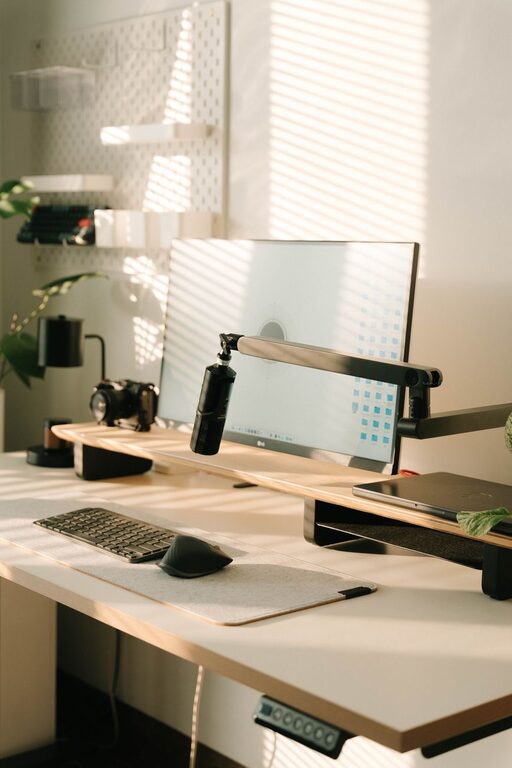
Creating a home office that is both cozy and functional can make a big difference in your workday, especially if you spend most of your time working from home. A well-designed workspace boosts productivity, keeps distractions at bay, and promotes a sense of calm. Whether you have a spare room or just a small corner, there are plenty of ways to craft an office that fits your style and needs.
In this post, we’ll explore tips and ideas to help you create a home office space that combines comfort with efficiency.
Choose the Right Location
Assess Your Space Options
The first step is to find the best spot available for your office. Ideally, this is a quiet area with minimal interruptions. Some popular options include:
– A spare bedroom
– A section of the living room
– A nook under the stairs
– An unused closet or pantry
Choose a place where you can focus and feel comfortable working for extended periods.
Consider Natural Light
Natural light can improve mood and reduce eye strain. Position your desk near a window if possible. If natural light is limited, opt for bright but soft artificial lighting to avoid glare on your screen.
Invest in a Comfortable Desk and Chair
Ergonomic Seating Matters
Your chair is one of the most important pieces of your office setup. Choose one that provides good back support, has adjustable height, and allows your feet to rest flat on the floor. This helps prevent discomfort and long-term posture problems.
Desk Size and Layout
Select a desk that fits your space and meets your work needs. If you use multiple monitors or require space for paperwork, prioritize wider surfaces. Compact desks work well for minimalist setups.
Organize with Purpose
Declutter Regularly
A tidy workspace helps you focus and reduces stress. Make a habit of clearing your desk at the end of each day to start fresh the next morning.
Use Storage Solutions
Keep supplies organized with drawers, shelves, and containers. Label items so you can find them quickly. Vertical storage like wall-mounted shelves maximizes space and keeps your desk clear.
Cable Management
Messy cables can be distracting and unsafe. Use cable clips, sleeves, or boxes to keep cords neat and out of sight.
Add Cozy Elements
Choose Soft Textiles
Add cushions or a small throw blanket to your chair for extra comfort. A rug can warm up a hard floor and define your workspace.
Personalize Your Space
Incorporate items that make you happy such as photos, plants, or artwork. Greenery not only adds color but can improve air quality and create a calming atmosphere.
Adjust the Temperature and Airflow
Ensure your office doesn’t get too hot or cold. A small fan, space heater, or opening a window can keep the temperature just right.
Lighting Tips for Productivity and Comfort
Layer Your Lighting
Combine ambient (general), task (focused), and accent lighting to reduce eye strain and create a welcoming environment. Desk lamps with adjustable brightness are ideal for focused work.
Avoid Harsh Fluorescent Lights
Opt for warm or natural white LED bulbs to create a softer and more inviting glow.
Technology and Tools
Quality Equipment
Invest in reliable technology like a good monitor, keyboard, and mouse to streamline your work. Wireless devices reduce clutter.
Noise Control
If your home is noisy, noise-cancelling headphones or white noise machines can help maintain concentration.
Design for Flexibility
Multi-Use Furniture
Choose desks or tables that can double as craft or reading areas. Foldable furniture is great for small spaces.
Keep It Easy to Change
Set up your office so it can be rearranged when needed to refresh your routine or accommodate different tasks.
Maintain Work-Life Balance
Define Your Office Boundaries
Make your home office a distinct area dedicated to work. Avoid eating or relaxing in this space to help your mind switch between work and home modes.
Take Breaks in a Separate Space
Step away from your desk during breaks and lunches. Stretch, walk, or move to another room to recharge.
—
Creating a cozy and functional home office doesn’t require a big budget or lot of space. With some thoughtful planning and attention to comfort, you can build a workspace that supports both your wellbeing and productivity. Remember to keep things simple, organized, and personalized to make work feel more enjoyable every day.

More Stories
Tips for Organizing a Productive Home Workspace
Tips for Creating a Relaxing Home Workspace
Tips for Creating a Relaxing and Productive Home Workspace